Thank you for contacting us.We’ll get back to you as soon as possible.

We got it.

Two hands forming a heart shape, black cuffs.

Proudly serving Saratoga Springs, Ballston Spa, Malta, Gansevoort & nearby areas

Why Fence Gates Sag After Upstate New York Winters and How to Prevent It


Get Your Free Quote

We look forward to hearing from you!

This is required
This is required
Enter an email Use an address with (@) and (.)
This is required
Broken pipe with steam escaping from the openings.

That didn’t work.

The form wasn’t sent. Please try again.

Last fall, your gate closed with one hand. Now it drags across the path, misses the latch, or needs a lift before it will shut. After an Upstate New York winter, that change is worth checking before you trim the bottom or move the latch.

For homeowners around Saratoga Springs, Wilton, and Malta, winter movement can expose a weakness that was already developing. A shifted post, loose hinge, tired frame, or wet wood may be involved. The repair should match the cause, not simply make the gate close for today.

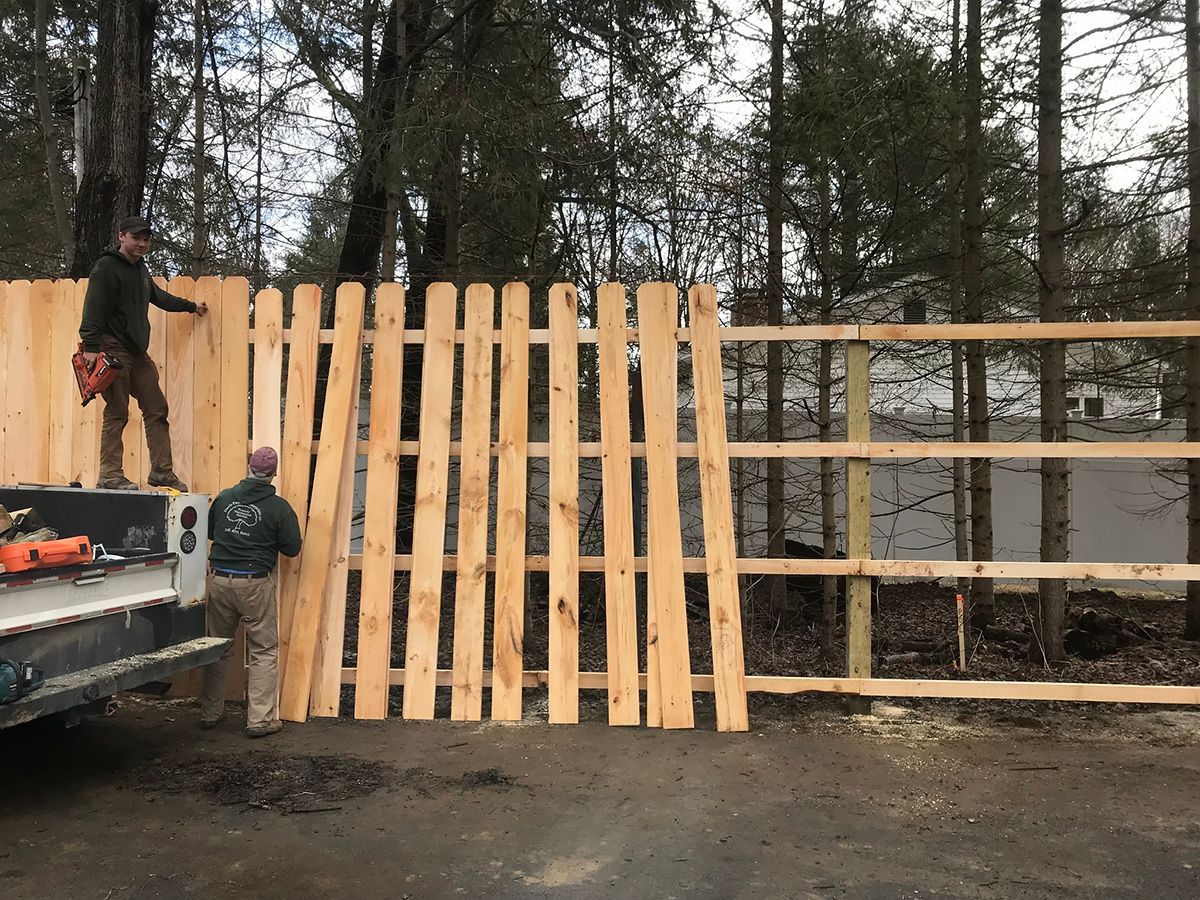
Crew attaching wood boards to a fence beside trees and a house

Check whether the post or the gate moved

Look at the gate while it is safely closed. Does the top angle downward, or does the supporting post appear tilted? Has the opening changed along with the nearby fence? Photos from before winter can make a small change easier to spot.

Frost heave and settling can alter the ground around a post. Penn State Extension's fence-post guidance explains that soil conditions influence support and that frost can loosen posts without adequate embedment. Its farm-fence examples are not a post-depth specification for your New York home.

Legacy plans post support for the conditions on the property. In a Ballston Spa yard, runoff or a nearby tree may deserve as much attention as the post itself. Do not assume every winter problem needs the same replacement hole or foundation.

Not every dragging gate is frost damage

Clue Possible area to check
Gate frame slopes but posts look straight Hinges, fasteners and frame support
Post tilts with adjacent panels Post foundation and surrounding ground
Wood rubs after wet weather Moisture-related movement and clearance
Gate hits a snow or debris pile The movement path, before hardware changes

Wood also responds to moisture. USDA wood moisture guidance explains how changes in water content affect wood's behavior. A swollen component can rub even if a post has not visibly moved. Soft or damaged wood needs a different response from a sound board that changes with the season.

With wood fencing, inspect the frame and the places where hardware attaches. Loose connections can let a gate twist under its own weight. Adding a stronger latch alone will not correct a weak frame or a shifting support post.

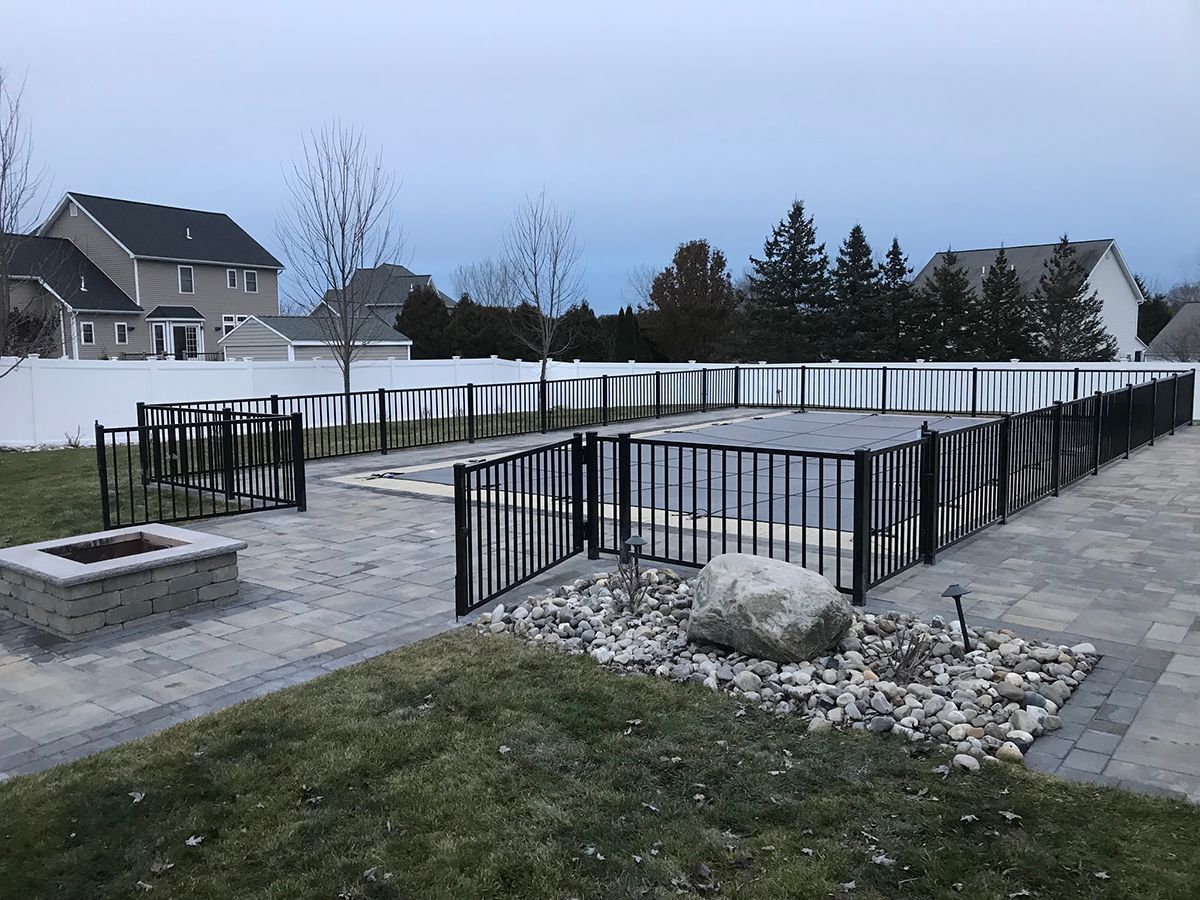
Black aluminum fence with open swing gates around a covered pool

Use a simple spring comparison before adjusting hardware

Before the appointment, collect the gate's basic history: when it was installed if known, when dragging started, whether the latch changed before or after winter, and whether nearby grading, tree, or drainage work occurred. Add two or three dated photos from the same safe position and a short note about how often the gate is used. This gives the installer a useful timeline without asking you to decide which component failed.

Do not repeatedly lift, slam, or force a dragging gate. That can turn a limited alignment problem into damaged hardware or wood. If the gate feels unstable, keep people and pets away from its swing path and arrange an assessment. For a gate that remains stable, photos taken from the same position can help show whether the condition changes as the ground dries.

  • Photograph the top line of the gate and the adjacent fence panels.
  • Record where the latch meets the receiver instead of moving it immediately.
  • Note puddling, erosion, exposed roots, or downspout flow near either post.
  • Check for loose or missing hardware without relying on the gate for support.

Reduce the problems that return each winter

Start with a gate that suits the opening and has support designed for its size and use. When comparing residential gate options, explain how often it opens and what equipment must pass through. A wide access gate and a small walking gate place different demands on the layout.

  • Keep the swing path clear of leaves, ice buildup, and stored items.
  • Avoid pushing heavy snow piles against the gate or neighboring panels.
  • Notice where meltwater and downspout runoff collect near the posts.
  • Check hinges and latches using the manufacturer's care guidance.
  • Report new movement before repeated forcing damages more parts.

On a wooded Wilton lot, tell your installer about roots beside a moving post. Do not cut them as a quick fix. If grading or drainage work is planned, discuss the fence at the same time so one project does not create a new problem for the other.

Plan maintenance around the gate's busiest seasons

A gate near a driveway, pool, garden, or pet area may open many times a day once warm weather returns. Tell the installer how the opening is used before choosing a correction. The best next step should address both the observed cause and the repeated load placed on the gate, not simply improve the latch position for one week.

Before the next winter, keep the swing path free, avoid piling snow against the gate, and watch where meltwater collects. Follow the manufacturer's care guidance for finishes and hardware. A short photo check in fall and again after spring thaw creates a practical record of movement without asking the homeowner to alter the posts or foundation.

  • Include the gate in routine fence walks after major weather changes.
  • Report a new lean, split connection, or difficult latch before forcing daily use.
  • Share planned drainage, grading, or tree work with the fence professional.

Frequently Asked Questions

  • Should I trim a gate that drags after winter?

    Check the cause first. Cutting a gate during temporary ground or moisture movement may leave an unwanted gap later. A site assessment can separate clearance issues from damaged support.

  • Will the gate straighten when the ground thaws?

    It may change again, but it may not return to its old alignment. Keep an unstable gate out of use and arrange an assessment instead of relying on thaw alone.

  • Can better installation prevent every winter issue?

    No system removes every risk. Suitable posts, frame support, drainage, and ongoing care help reduce problems, while severe conditions or later ground changes can still affect a fence.

Make your gate easy to use again

If your Cambridge or Saratoga-area gate has changed after winter, contact Legacy Fence. Share photos and when the problem started. We can assess the gate, its posts, and the surrounding fence before recommending the right next step.

Continue Reading

More Helpful Fencing Insights


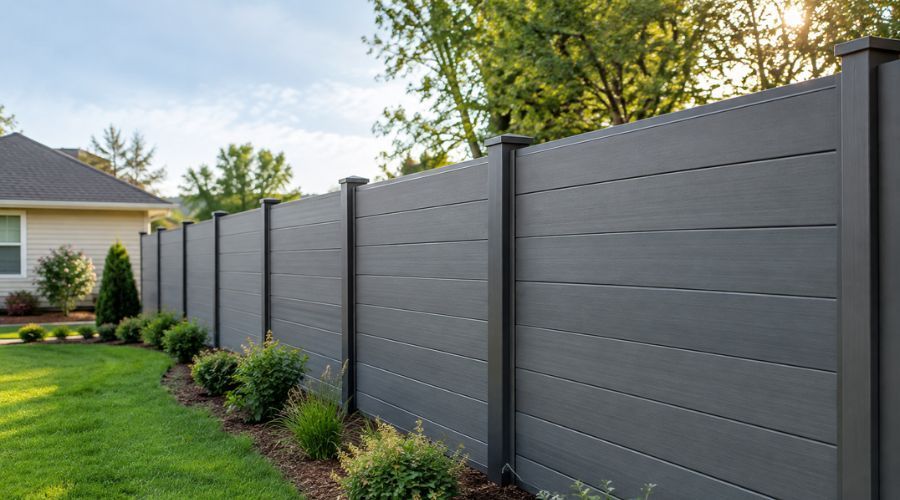
low-maintenance fence materials
By Legacy Fence • September 15, 2026
Discover the best low-maintenance fence materials for busy homeowners. Compare vinyl, aluminum, and composite fencing for durability, style, and easy care.
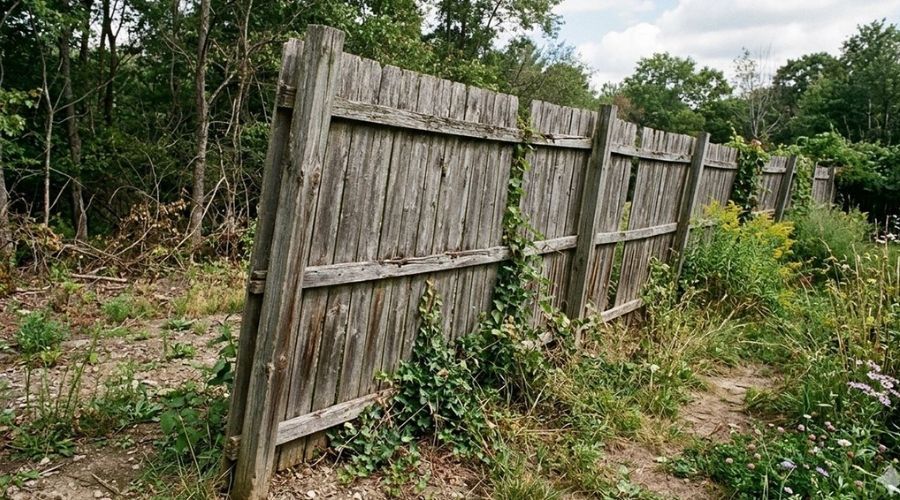
Old, weathered wooden privacy fence leaning heavily due to failing fence posts.
By Legacy Fence • August 14, 2026
Learn 10 warning signs of failing fence posts, from leaning and rot to shifting and cracks, plus when to repair or replace damaged posts for safety.
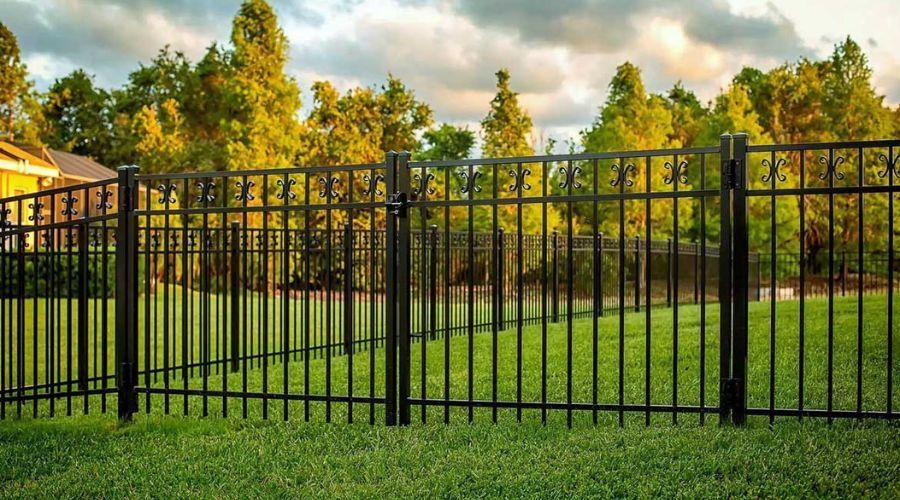
Black ornamental aluminum fence and gate in a residential backyard.
By Legacy Fence • July 15, 2026
Explore aluminum fencing benefits for Saratoga homes, from curb appeal and security to low maintenance, weather resistance, and lasting value.
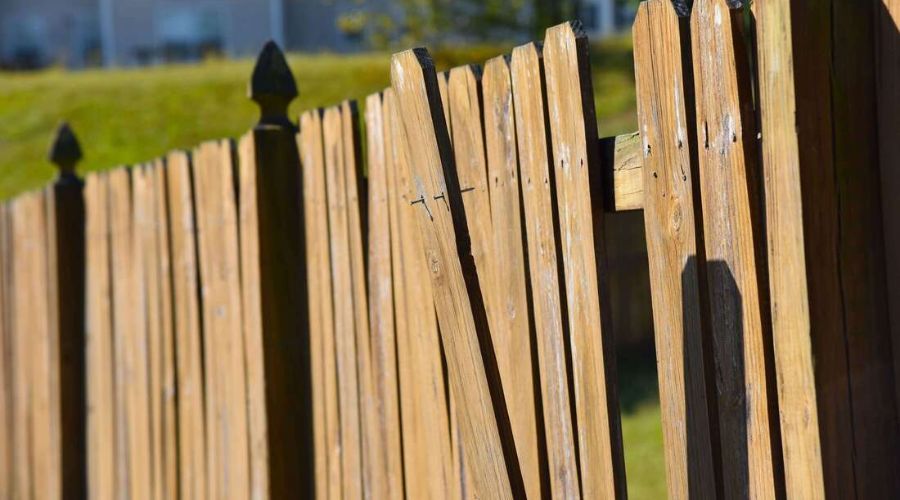
Damaged wooden fence with loose and leaning pickets
By Legacy Fence • June 15, 2026
Not sure whether to repair or replace your fence? Learn key signs, costs, and expert tips to make the best choice for your property.
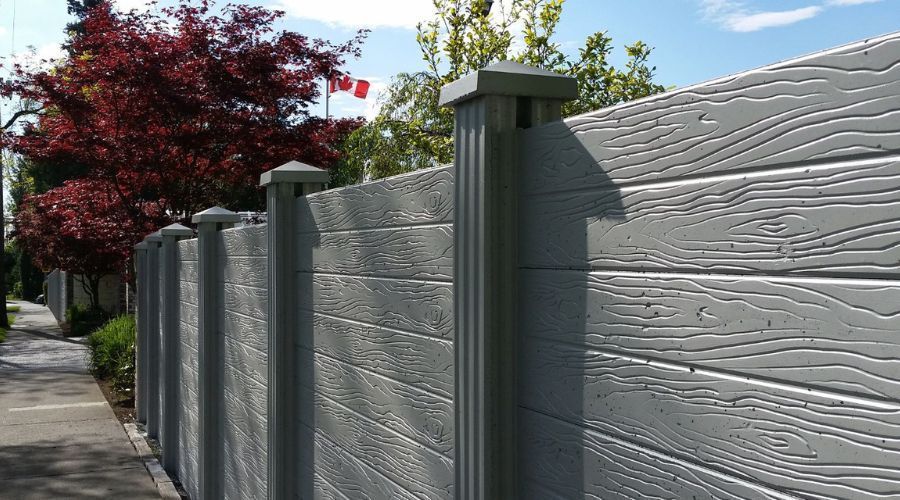
Soundproof grey concrete privacy fence with faux-wood texture.
By Legacy Fence • May 15, 2026
Discover privacy fence ideas to block road noise and neighbors. Explore stylish, durable fencing options to improve backyard peace and comfort.

A brown dog peeking through a wooden fence, showcasing durable dog-friendly fencing solutions
By Legacy Fence • April 15, 2026
Discover the best fencing options for dogs in Upstate NY, with safe, durable, weather-ready choices that protect your yard and pet. all year in Upstate NY.
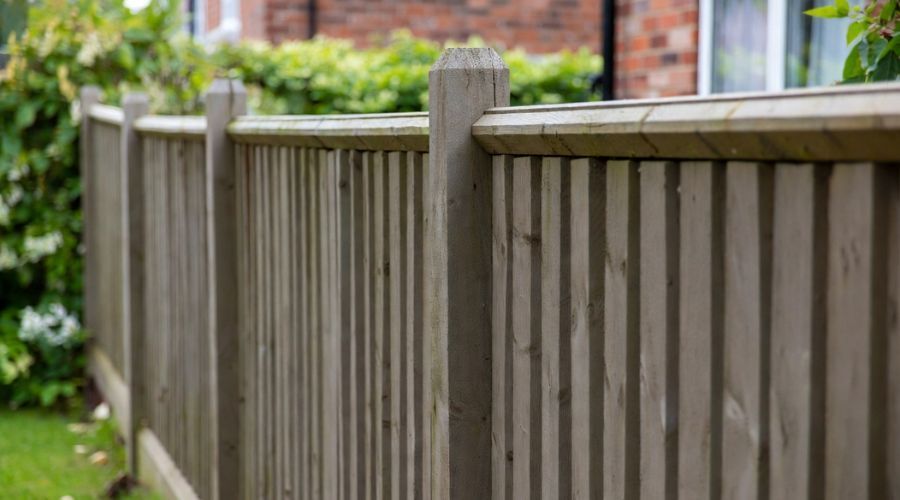
A wooden fence with vertical slats and square-topped posts stands in a garden near a house wall and greenery.
By Legacy Fence • March 24, 2026
Compare wood, vinyl, and aluminum fences for durability, cost, and style. Discover which fence type best fits your property, budget, and climate.
A wooden cross-buck fence borders a concrete sidewalk and green lawn on a sunny day.
By Legacy Fence • February 27, 2026
Discover the best fence types for Upstate New York weather. Compare wood, vinyl, aluminum, and chain link options built to handle snow and cold.
White picket fence next to a weathered brown wooden fence in a grassy yard, with a house and trees in the background.
By Legacy Fence • January 30, 2026
Vinyl vs wood fence in Cambridge, NY? Compare cost, durability, maintenance, and curb appeal to choose the best fence for your home.