Thank you for contacting us.We’ll get back to you as soon as possible.
We got it.

Proudly serving Saratoga Springs, Ballston Spa, Malta, Gansevoort & nearby areas
10 Signs Your Fence Posts Are Failing
I have been building fences around this area for over twenty years. Once the spring rush hits after the thaw, my phone rings constantly. Homeowners from Meadowbrook to Ballston Spa walk outside and realize their yard looks a little crooked. The local weather really tests outdoor structures.
Usually, the issue starts below the ground. Your yard enclosure is only as strong as its base. If the supports fail, the whole structure goes down. You do not want a collapse right before you host a party near the Saratoga Race Course. Let us look at the 10 signs your fence posts are failing.
1. The Spring Thaw Tilt
Upstate New York freeze and thaw cycles destroy fences fast. The ground freezes, expands, and pushes upward. A lot of cheap builders take a bad shortcut. They set posts too shallow, usually just 18 to 24 inches deep. When the frost hits, the post heaves right out of the red clay and brown dirt. We always set posts deeper to handle the freeze and thaw conditions.
2. The Gate Drag
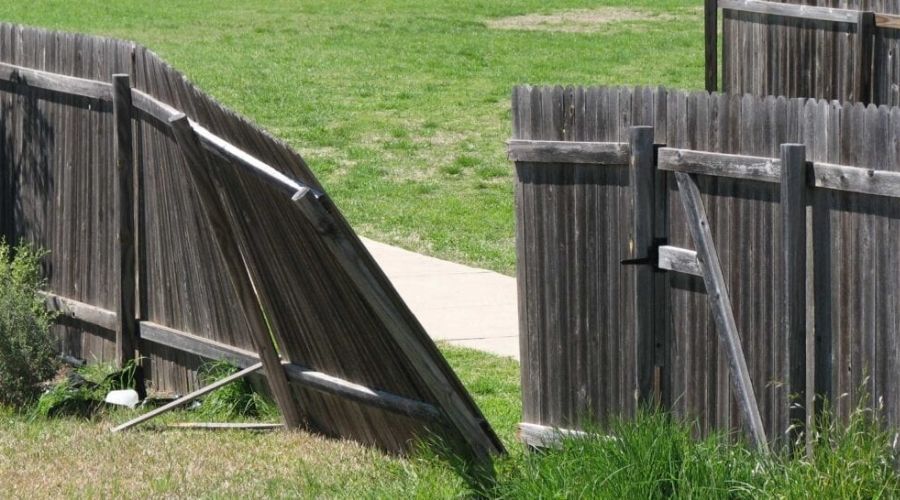
The most common repair call we get is a bad gate setup. You might see sagging or misaligned posts. If your gate drags on the driveway, the support holding it is giving out. This happens a lot in the new building areas around Wilton, just north of Saratoga near Exit 16. Check out our fence gate post problems for a solid fix.
3. Soft Wood at the Base
We get a lot of moisture here. The brown dirt and red clay trap water. When water sits against the wood, rot sets in. Take a screwdriver and press it into the wood near the soil. If it sinks in easily, the wood is rotting. You need to replace it quickly.
4. The Hedge Takeover
People love their privacy hedges in Ballston Spa. But hedges overgrowing wood fences cause rot. The leaves trap water against the wood all summer long. You must keep your bushes trimmed back. If the greenery touches the wood, the moisture will eventually destroy the support.
5. Shifting from Tree Roots
A big oak near your property line can cause serious trouble. Tree roots shifting posts is a major issue in older areas near Skidmore College. The roots grow thick and push the concrete blocks out of place. You might notice one section of your yard line looking bumpy.
6. The Wiggle Test Failure
Walk up to your post and give it a firm push. It should not move. If it wiggles in the ground, the concrete block might have cracked. Loose supports put extra strain on the rest of the yard. This often happens on the mostly flat layout of our local suburbs.
7. Visible Post Heaving
Sometimes you can literally see the bottom of the support pulling out of the ground. This post heaving is a massive problem during our winters. The freezing ground lifts the entire structure. If you see dirt exposed under the bottom rail, the frost is winning the battle.
8. Cracks in the Concrete
Sometimes you can see the concrete block above the grass. If it looks crumbled or cracked, water will get inside. The water will freeze and bust the concrete apart completely. This leaves the support with nothing to hold it steady.
9. Rust on Older Metal
Water does not just hurt wood. Older metal supports will rust at the soil line. If you are dealing with chain link fence posts, rust can weaken the metal lines fast. We prefer installing trusted brands like B&H to stop early wear and tear. A good brand makes a big difference when fighting the local dampness.
10. Sagging Panels in the Front Yard
You might have a 4-foot setup in your front yard to meet local rules. If the panels start looking like a hammock, the supports on either side are leaning inward. For owners using synthetic materials, checking vinyl fence post issues helps prevent unexpected sagging. Catching this early can save the rest of your boundary from falling over.
Comparing Supplies in Our Local Climate
Different supplies handle our weather in different ways. This table shows what you should watch out for.
| Supply Choice | Main Threat | Common Result |
|---|---|---|
| Wood | Damp air and overgrowing hedges | Wood rot and decay |
| Standard Metal | Moisture in the red clay | Rust at the base |
| Any Choice | Shallow digging by cheap builders | Post heaving from freezing |
Strictest Local Areas for New Builds

If you need a new build, you must know the local rules. Some areas are much tougher than others. Here are the spots with the strictest design rules:
- Saratoga Springs historic districts.
- HOA groups in Wilton housing areas.
- Lakefront HOAs around Saratoga Lake.
Commonly Asked Questions
Do I need a permit for a new backyard build?
Generally, you can go 6 feet high in rear yards. You can go 4 feet high in front yards, but corner lots have clear sight rules. Always check local guidelines through the Town of Cambridge before starting your project.
Can I put a tall privacy wall in your front yard?
No, front yard privacy fences are typically blocked by local laws. You will need a shorter, open style to follow the rules outlined by Cambridge NY regulations.
What rules apply around my new swimming pool?
All pool setups must meet the NYS pool code. We handle these daily during the pool building season from May through September.
Ready to Fix Your Yard?
You need a strong boundary for your home. We know exactly how to build in this area. From the new building areas in the Malta GlobalFoundries corridor to the Clifton Park expansion areas, we have you covered. We also work around the luxury lakefront properties at Saratoga Lake.
If you are tired of dealing with rotting wood or leaning structures, call us. We offer great vinyl and chain-link options that handle the local weather perfectly. Whether you live near SPAC or the Saratoga Race Course, we want to help. Contact Legacy Fence today and let us get to work.
Continue Reading